Being An Executor Can Cost You Personally
The hidden liability, CRA traps, and estate mistakes that overwhelm even the most trusted person in your life.
- Estate Planning
- Business Sale
- Corporate Reorganization
- Trust Planning
- Family Trust
- Succession Planning
- CRA Audit
- CRA Powers
- Business Owners
- Founders & Entrepreneurs
- Partnership
- Sale-Readiness
- Wills & Estates
- Executor Planning
- Legal Perspective
Show Notes
In this episode, we analyze how most people choose an executor thinking it's a simple administrative role – someone to "handle paperwork" and distribute assets.
But in reality, being an executor can expose someone to personal liability, CRA reassessments, historical tax disputes, and months (sometimes years) of stress.
Through Our Discussion, We Reveal:
• Why executors can be personally liable for unpaid taxes
• How distributing assets too early creates personal risk
• Why clearance certificates are critical – even though they're not mandatory
• How CRA can reopen historical transactions during estate review
• Shareholder loan traps business owners overlook
• Estate freeze valuation disputes years after planning
• Probate costs and why dual wills must be set up while alive
• CRA process failures and why relying on phone advice is risky
• What you should do today to protect your executor
This Episode Is Essential To View For:
✓ Business owners
✓ High-income professionals
✓ Anyone naming an executor in their will
✓ Executors currently managing an estate
✓ Families with complex corporate structures
Key Topics Covered:
• Executor Liability under Section 159
• Clearance Certificates: process, timeline, and risk
• Earn-out reassessments discovered during estate review
• Shareholder loan income inclusion surprises
• Estate Freeze Valuation Challenges
• Probate Mechanics and 1.5% Ontario Estate Tax
• The Dual Will Strategy
• CRA Reassessment Windows
• Why Notice of Assessment ≠ Clearance
• How to properly prepare your executor while you're alive
Full Transcript
📥 Resources from this episode
The Executor Checklist
Five concrete actions for anyone named executor — from the Section 159 conversation to have with the person you've named, to the accountant questions about Form TX19 clearance certificates, to the personal-liability protection most executors don't know they need.
📝 Related Articles
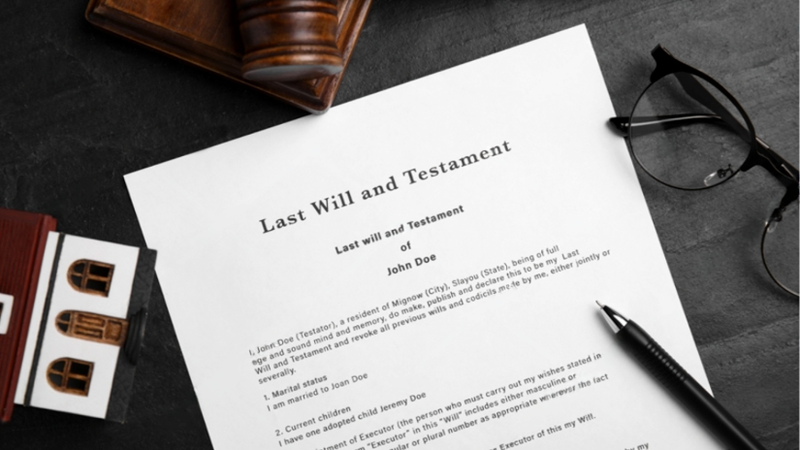
Will vs. Trust: Which One Actually Controls Your Assets In Canada?
Most Canadians think their will controls everything they own – but beneficiary designations, joint ownership, and probate rules often decide where assets actually go. Learn how wills, trusts, probate, and tax planning work together to protect family wealth and avoid costly estate mistakes.

The Tax Rule That Punishes Canadians for Helping Family — And What You Can Do About It
New CRA bare trust filing catches family bank accounts, joint titles, crypto held for relatives—$50K penalties even if you owe $0 tax. Bill C-15 passed House, Senate next. Sign petition + download checklist before 2026 tax year.

3 CRA Powers Coming in 2026 That Every Canadian Needs to Know
New CRA powers let auditors demand sworn testimony (no transcript), issue $50/day penalties without court, and freeze reassessment clocks indefinitely. Download MP letter template to fight back before legislation passes.

Need more than a podcast? Cedar Group handles tax planning, restructuring, and sale-readiness advisory for founders.
CEDARGROUP.CA →